
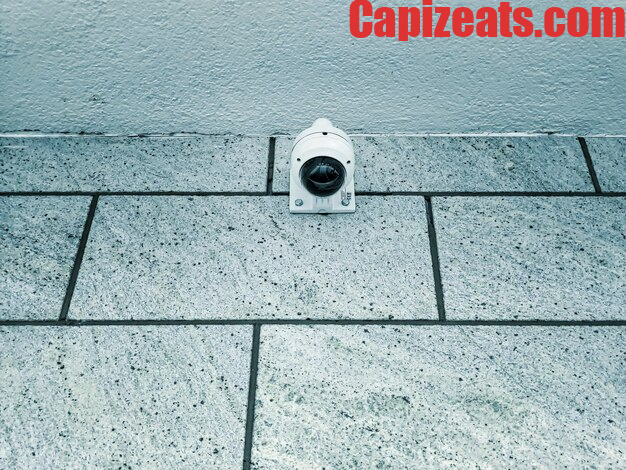

So, you’ve finally pulled the trigger on a new security setup. Whether you went with high-end IP security cameras or a comprehensive CCTV Camera System, you’re probably staring at those sleek devices and wondering: “Where exactly do these go so I actually catch the bad guy and not just my neighbor’s cat?”
It’s a fair question. Most people just slap a camera over the front door and call it a day. But if you want real peace of mind, you need a strategy. Let’s break down the ultimate outdoor security camera placement diagram to ensure your home is locked down from every angle.
Key Positions for Outdoor Security Camera Placement Diagram
Here are the key positions where you can place your outdoor cameras for maximum coverage:
1. The High-Traffic Triple Threat
In the US, most residential burglaries happen through the front door, back door, or first-floor windows. If you have limited cameras, these are your “must-haves.”
- The Back/Side Doors: These are often out of sight from the street, making them a thief’s favorite entry point. Ensure these cameras have a wide-angle lens to cover the door and the immediate walkway.
- The Front Door: Aim your camera about 7–10 feet off the ground. It is high enough to prevent someone from reaching up and smashing it, but low enough to capture clear facial features.
- First-Floor Windows: If a tall hedge or a fence obscures a window, it’s a vulnerability. Point a camera along the side of the house to create a “curtain” of surveillance.
2. The Garage and Driveway
Your cars are often the most valuable items “outside” your home. A camera mounted on the garage peak provides two benefits: it monitors your vehicles and gives you a clear view of anyone approaching the house from the street.
Pro-Tip: Position the camera so it captures license plates. To do this effectively with IP cameras, you might need a narrower field of view or a dedicated “LPR” (License Plate Recognition) setting, as wide-angle lenses often blur plates at a distance.
3. Mastering the Corners
If you look at a professional outdoor security camera placement diagram, you’ll notice a pattern: cameras are rarely placed in the middle of a wall. They are almost always at the corners. Why? The “Cross-View” Method.
By placing cameras at opposite corners of your home and pointing them toward each other, you eliminate blind spots. If a prowler tries to sneak under one camera, they are walking directly into the line of sight of the other.
Technical Housekeeping: Height and Lighting
Before you start drilling holes, keep these two rules in mind:
- Avoid the Sun: Never point your camera directly at the sunrise or sunset. The glare will wash out your image (the “white-out” effect), rendering the footage useless during the most critical times of day.
- The Goldilocks Height: 8 to 10 feet is the “just right” height. Any higher and you’re looking at the tops of heads; any lower and the camera is easily tampered with.
The “Invisible” Details
If you’re installing a CCTV Security Camera System, cable management is your biggest hurdle. In the US, it’s common to run wires through the attic or soffits. Not only does this keep the installation clean, but it also prevents intruders from simply cutting the lines.
If you’re going wireless, ensure your Wi-Fi signal is strong enough to reach the furthest corner of your yard—otherwise, you’ll just be recording a lot of “Connection Lost” screens.
Conclusion
Putting a little thought into your outdoor security camera placement diagram today saves you a lot of headaches tomorrow. Take a walk around your house, identify those dark corners, and start mapping out your coverage!
FAQs
1. How many cameras do I actually need for a standard US home?
Usually 4 to 6. They cover the front door, back door, garage/driveway, and the two most vulnerable sides of the house.
2. Should cameras be hidden or visible?
Visible! Security cameras are a massive psychological deterrent. Most burglars will skip a house if they see a well-placed CCTV Camera System.
3. Can I point my camera at the street or a neighbor’s house?
In the US, you generally have the right to record public areas. However, pointing a camera directly into a neighbor’s bedroom or bathroom window is a big legal no-no regarding “reasonable expectation of privacy.”
4. Does “Night Vision” really work through a window?
No. If you place a camera inside looking out a window, the Infrared lights will reflect off the glass, and you’ll see nothing but a white blur. Always mount IP cameras outside for night use.
5. What is the best angle for facial recognition?
An angle of no more than 30 degrees downward. If the camera is too high, you’ll get a great view of someone’s hat, but you won’t see their face.