Logisths: A Complete and In-Depth Understanding of Modern Logistics Systems
Understanding the Concept of Logisths
The term Logisths is increasingly appearing in online searches and digital content as an alternative spelling or conceptual variation of logistics. While it may not be a formal academic term, Logisths represents the same foundational idea: the structured management of movement, storage, coordination, and flow of goods, services, and information from origin to destination. In practice, Logisths refers to the operational backbone that enables businesses, governments, and organizations to function efficiently in a connected economy.
Logisths is not limited to transportation alone. It includes planning, execution, monitoring, and optimization of every activity that ensures products or resources reach the right place, at the right time, in the right condition, and at an optimal cost. As global trade, e-commerce, and digital systems expand, Logisths has evolved into a strategic discipline rather than a purely operational function.
The Evolution of Logisths in a Globalized World
Early Foundations of Logisths
Historically, the principles behind Logisths originated in military and trade activities where planning and coordination were critical for survival and success. Early civilizations relied on organized supply routes to move food, tools, and raw materials across regions. These early systems laid the groundwork for what later became structured logistics practices.
Over time, Logisths expanded beyond military use and became essential to commercial trade. As markets grew and production increased, the need for systematic handling of goods became unavoidable. This shift marked the transition of Logisths from basic movement to a coordinated management system.
Modern Transformation of Logisths
In the modern era, Logisths has transformed dramatically due to technology, globalization, and consumer expectations. Businesses now operate across borders, time zones, and complex regulatory environments. Logisths must adapt to faster delivery times, real-time tracking, and increased demand for transparency. What was once a back-end operation has now become a key driver of customer satisfaction and competitive advantage.
Core Components That Define Logisths
Transportation as the Movement Engine
Transportation is one of the most visible elements of Logisths. It involves selecting appropriate modes of movement such as road, rail, sea, or air to ensure goods travel efficiently. Decisions in transportation directly affect delivery time, cost, and environmental impact. Effective Logisths balances speed and cost while minimizing risk and disruption.
Transportation planning within Logisths also considers route optimization, fuel efficiency, carrier management, and regulatory compliance. These factors collectively ensure consistent and reliable movement across supply networks.
Warehousing and Storage in Logisths
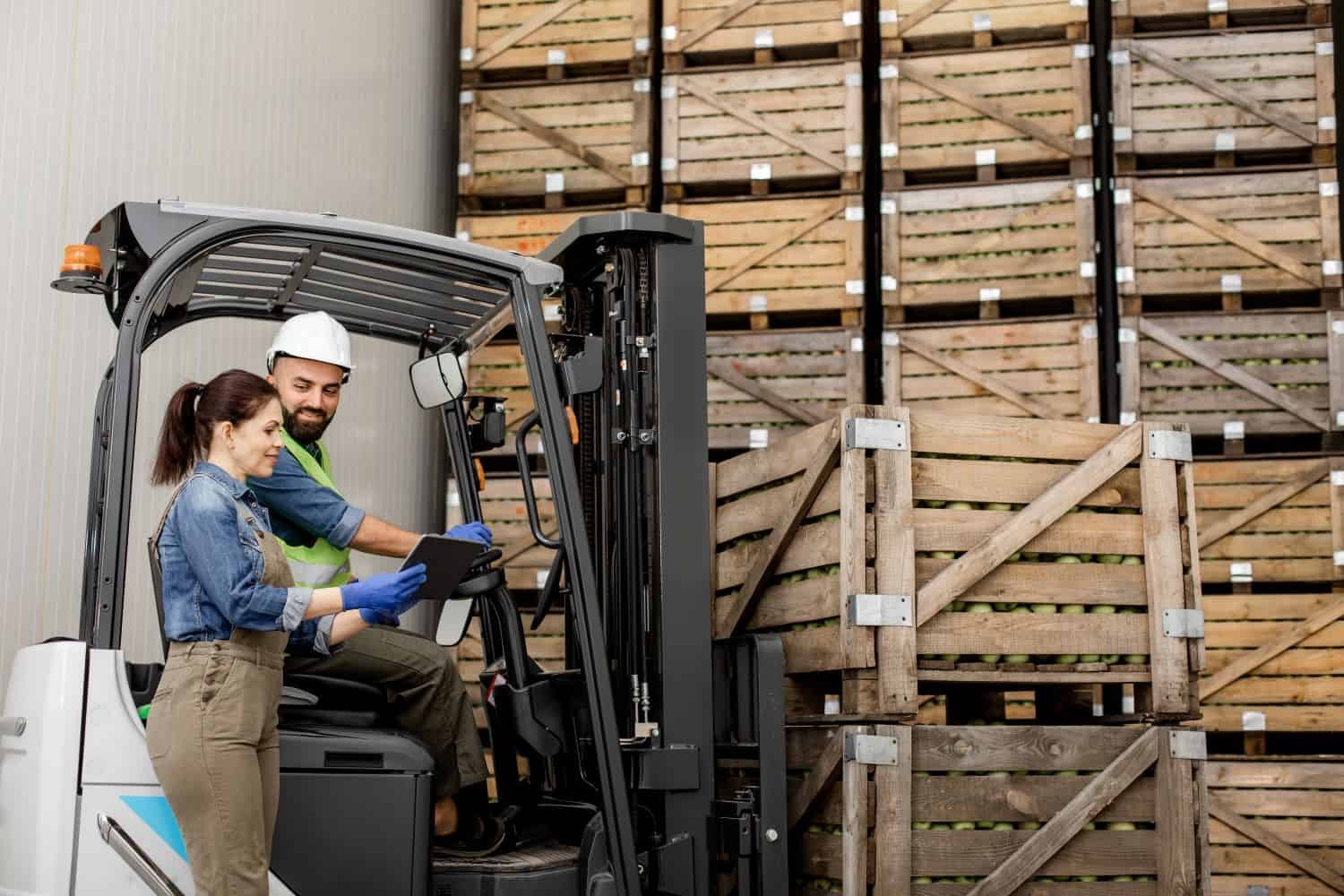
Warehousing plays a critical role in Logisths by providing safe and organized storage for goods until they are needed. Modern warehouses are no longer passive storage spaces; they are active distribution centers equipped with technology to manage inventory flow.
Logisths focuses on strategic warehouse placement, layout design, and stock organization to reduce handling time and improve order accuracy. Efficient warehousing enables faster fulfillment and better inventory control.
Inventory Management as a Strategic Element
Inventory management within Logisths ensures that organizations maintain optimal stock levels. Too much inventory increases storage costs and risk of obsolescence, while too little inventory can cause delays and lost sales. Logisths systems analyze demand patterns, sales data, and supply lead times to maintain balance.
Effective inventory planning strengthens operational stability and improves responsiveness to market changes.
Information Flow and Digitalization in Logisths
The Role of Data in Logisths Operations
Information is the invisible force that powers Logisths. Accurate data allows organizations to track shipments, monitor inventory, and predict demand. Without reliable information flow, even the most advanced physical infrastructure becomes ineffective.
Logisths relies on integrated systems that connect suppliers, warehouses, transport providers, and customers. These systems enable real-time visibility and faster decision-making.
Technology as a Catalyst for Logisths Efficiency
Digital tools such as tracking systems, analytics platforms, and automation software have reshaped Logisths. Technology improves accuracy, reduces human error, and enables predictive planning. With digital support, Logisths operations become more flexible, scalable, and resilient.
Automation in warehouses and data-driven route planning are now standard practices in advanced Logisths systems.
Logisths and Its Relationship with Supply Chain Management
Logisths is often closely associated with supply chain management, but the two are not identical. Logisths focuses on the execution and operational movement of goods and information, while supply chain management encompasses a broader strategy that includes sourcing, production, planning, and customer relationships.
In practical terms, Logisths acts as the operational engine that brings supply chain strategies to life. Without strong Logisths, even the best supply chain plans fail to deliver results.
Economic and Business Importance of Logisths
Logisths directly impacts business profitability and economic growth. Efficient Logisths reduces operational costs, improves delivery reliability, and enhances customer satisfaction. Companies with strong Logisths capabilities are better positioned to compete in fast-moving markets.
On a broader scale, Logisths supports international trade, employment, and infrastructure development. Economies with advanced Logisths systems tend to experience smoother trade flows and stronger industrial performance.
Logisths in E-Commerce and Consumer Markets
The rise of online shopping has dramatically increased the importance of Logisths. Consumers now expect fast, accurate, and transparent delivery services. Logisths systems must handle high order volumes, manage last-mile delivery challenges, and process returns efficiently.
In this environment, Logisths is no longer a hidden function. It is a visible part of the customer experience that directly influences brand perception and loyalty.
Sustainability and Environmental Responsibility in Logisths
Modern Logisths places increasing emphasis on sustainability. Organizations are under pressure to reduce emissions, minimize waste, and use resources responsibly. Sustainable Logisths focuses on fuel-efficient transport, optimized routes, and environmentally friendly packaging.
By adopting green practices, Logisths not only supports environmental goals but also reduces long-term operational costs and regulatory risks.
Challenges Facing Logisths Today
Despite technological progress, Logisths faces ongoing challenges. Rising fuel costs, infrastructure limitations, labor shortages, and global disruptions create uncertainty. Logisths systems must be resilient and adaptable to manage unexpected events such as delays, demand fluctuations, or geopolitical issues.
Addressing these challenges requires continuous improvement, investment in technology, and skilled professionals who understand both operational and strategic aspects of Logisths.
The Future Outlook of Logisths
The future of Logisths is shaped by innovation and integration. Artificial intelligence, automation, and predictive analytics will continue to enhance efficiency and accuracy. Logisths will increasingly rely on smart systems that anticipate demand, optimize resources, and respond dynamically to change.
As global networks become more complex, Logisths will remain a critical function that connects production, markets, and consumers in an efficient and sustainable way.
Conclusion: Why Logisths Matters More Than Ever
Logisths represents the organized, intelligent management of movement and coordination in a connected world. It goes beyond simple transportation and storage, encompassing planning, technology, sustainability, and customer experience. In today’s competitive and fast-paced environment, effective Logisths is not optional—it is essential.
Understanding Logisths provides insight into how modern economies function and how businesses deliver value consistently. As industries continue to evolve, Logisths will remain at the core of operational success and global connectivity.