
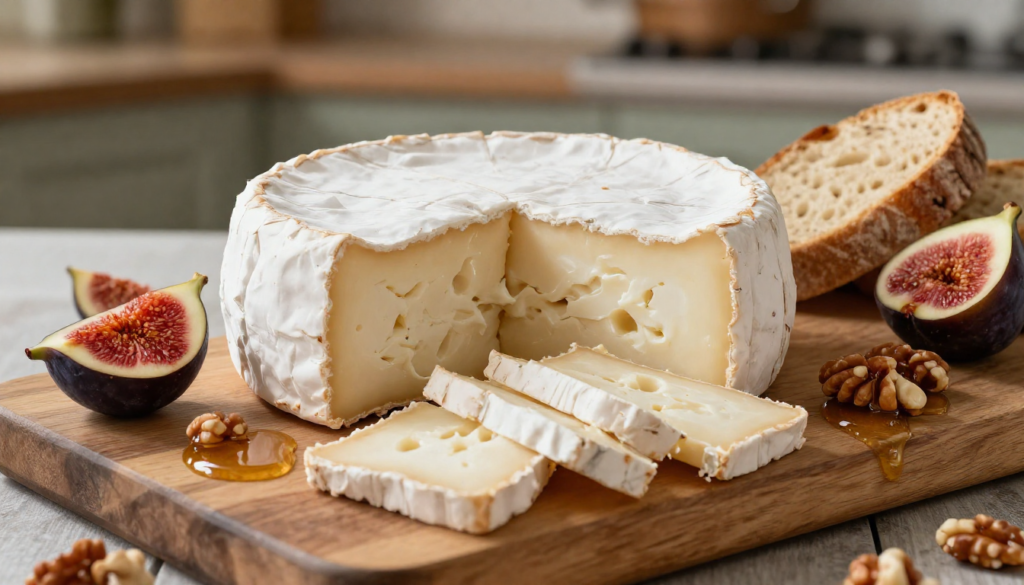

Grouse Cheese is a rare and artisanal dairy treasure that has captivated gourmet food enthusiasts worldwide. Known for its earthy notes, creamy textures, and bold flavors, Cheese embodies tradition, craftsmanship, and authenticity in every bite. Its distinctive taste, coupled with a fascinating origin story and meticulous production process, makes it a favorite among chefs, food critics, and culinary adventurers seeking unique gourmet experiences.
Exploration of Cheese, including its history, production process, nutritional benefits, culinary uses, modern appeal, and proper storage methods. By the end, readers will understand why this cheese is more than a simple dairy product—it is a symbol of heritage, creativity, and gourmet artistry.
The Origin and Story Behind Grouse Cheese
It is steeped in history, with origins tracing back to rural European cheesemaking traditions. The cheese derives its name from the grouse bird, which thrives in forested and mountainous regions. This bird symbolizes wilderness, purity, and earthy richness, qualities that perfectly describe the cheese itself.
Traditionally, small farms produced it using milk from grass-fed cows, goats, or sheep, depending on the region. Cheesemakers aged the product in wooden cellars, allowing it to develop bold aromas and complex flavors. The process emphasized natural ingredients, manual techniques, and slow maturation, creating a product that reflected both patience and skill.
Over the centuries, Grouse Cheese evolved from a local delicacy into a gourmet specialty, celebrated for its unique flavor profile, artisanal craftsmanship, and cultural significance. Today, it continues to occupy a special place in the culinary world, bridging traditional methods with modern gourmet demands.
Regional Variations of Grouse Cheese
It is produced in different regions, each contributing distinctive flavor profiles and textures:
| Region | Milk Source | Aging Period | Flavor Notes | Texture |
| Alpine Europe | Cow’s Milk | 6–12 Months | Nutty, Earthy, Slightly Smoky | Firm, Buttery |
| Northern U.S. | Goat’s Milk | 4–8 Months | Tangy, Herbal, Mildly Sweet | Semi-Soft |
| Mediterranean | Sheep’s Milk | 10–14 Months | Salty, Savory, Aromatic | Crumbly, Dense |
These variations make Cheese adaptable for multiple culinary applications, appealing to a wide range of palates.
The Craftsmanship of Grouse Cheese
Grouse Cheese is more than a food item—it is a work of art. The creation of this cheese demands careful selection of ingredients, precise techniques, and attentive aging. Every step contributes to its signature flavor, texture, and aroma.
Milk Selection
The quality of the milk is critical. Cheesemakers source milk from free-range, grass-fed animals, which naturally enhances the complexity of the cheese. Cow, goat, or sheep milk may be used depending on the desired flavor, texture, and regional tradition.
Curdling
Fresh milk is warmed, and rennet is added to induce curdling. This begins the transformation of milk into curds and whey—a crucial step for establishing the texture of the final cheese.
Cutting and Draining of Grouse Cheese
Curds are sliced into small pieces to release whey. This controls the moisture content and ensures a consistent, firm texture.
Molding and Pressing
Curds are carefully pressed into molds, forming wheel shapes. The pressure applied during this stage affects the density and firmness of the cheese, contributing to its characteristic mouthfeel.
Aging
The cheese is aged in cellars, wooden shelves, or stone environments, where temperature and humidity are carefully monitored. During this period, natural molds develop on the rind, enhancing flavor complexity. Artisans routinely turn and brush the cheese wheels, ensuring uniform maturation.
The entire process emphasizes slow, careful craftsmanship, allowing the cheese to develop a creamy yet firm texture and a rich, layered flavor profile.
Key Ingredients in Grouse Cheese
It relies on a few high-quality ingredients to achieve its signature taste:
- Milk – sourced from well-fed, healthy cows, goats, or sheep.
- Natural Cultures and Enzymes – essential for fermentation and curd formation.
- Salt – mild, to enhance flavor without overpowering natural notes.
- Environmental Factors – clean water, fresh air, and proper animal feed influence milk quality and final taste.
The simplicity of these ingredients highlights how traditional techniques can produce extraordinary results, showcasing the importance of purity and natural resources in artisanal cheesemaking.
Nutritional Profile and Health Benefits
Grouse Cheese is not only a gourmet delight but also a nutritional powerhouse. Rich in protein, fats, and essential vitamins, it provides several health benefits:
| Nutrient | Amount (per 100g) | Health Benefit |
| Protein | 22g | Builds muscles and supports body repair |
| Calcium | 650mg | Strengthens bones and teeth |
| Vitamin B12 | 1.4µg | Boosts energy and supports nerve health |
| Fat | 28g | Provides energy and helps absorb fat-soluble vitamins |
| Sodium | 420mg | Maintains fluid balance when consumed moderately |
Additional Health Benefits of Grouse Cheese
- Supports Bone Health: Calcium and phosphorus strengthen bones and teeth.
- Boosts Immunity: Natural probiotics support gut and immune function.
- Enhances Energy: Vitamin B12 and healthy fats sustain daily energy.
- Mood Improvement: Amino acid tryptophan aids serotonin production, improving mood.
Moderation is key, as excess consumption may contribute to high sodium and saturated fat intake. Balanced servings make Grouse Cheese a healthy and flavorful addition to meals.
Taste and Texture
It offers a unique sensory experience:
- Flavor: A blend of nuttiness, earthiness, mild sweetness, and, in aged versions, subtle smoky and herbal notes.
- Texture: Ranges from semi-soft to firm, smooth, creamy, or crumbly depending on milk type and aging.
- Rind: Natural and edible, adding a rustic appearance and enhancing aroma.
This balance of flavor and texture makes it suitable for a variety of culinary applications.
Culinary Uses of Grouse Cheese
Grouse Cheese is highly versatile and can elevate both everyday meals and gourmet creations.
Common Applications:
| Dish Type | Example | Role of Cheese |
| Appetizer | Cheese platter with figs & nuts | Provides flavor contrast |
| Main Course | Pasta with Grouse Cheese sauce | Adds creaminess and depth |
| Salad | Spinach and pear salad | Offers savory balance |
| Dessert | Honey and Cheese tart | Creates sweet-savory richness |
| Sandwich | Grilled chicken and Cheese melt | Adds smoky flavor and texture |
Pairing Recommendations
- Wines: Pinot Noir (red), Chardonnay (white)
- Other pairings: Honey, fresh fruits, artisanal bread
- Cooking tip: Heat gently to melt without losing texture, or crumble for fresh salads and platters.
Grouse Cheese in Modern Cuisine
In contemporary gastronomy, it has found a special place in fusion cuisine:
- Gourmet pizzas with artisanal toppings
- Farm-to-table dishes highlighting seasonal and organic ingredients
- Vegan-inspired alternatives capturing the essence of traditional cheese
Its adaptability allows chefs to blend rustic tradition with modern innovation, making Grouse Cheese a symbol of sustainable luxury in the global gourmet market.
Storage and Preservation
Proper storage ensures freshness, flavor, and texture:
| Storage Method | Temperature | Duration | Notes |
| Refrigerated | 35–40°F | 7–10 Days | Wrap in wax or parchment paper |
| Vacuum-Sealed | 32–38°F | 1–2 Months | Ideal for long-term storage |
| Frozen | Not Recommended | — | Alters texture and flavor |
Avoid plastic wrap, which traps moisture and may affect texture. Trim natural rinds before serving if needed.
Health Considerations
- High in saturated fats and sodium, so consume in moderation
- Suitable for balanced diets when paired with vegetables, grains, and lean proteins
- Individuals with lactose intolerance or dairy sensitivity should consult a healthcare professional
By enjoying smaller portions, you can appreciate the flavor without overindulging.
Grouse Cheese vs. Regular Cheese
Unlike mass-produced cheeses such as cheddar or mozzarella:
- Grouse Cheese offers unique, earthy, bold flavors
- Produced in small batches using artisanal methods
- Textures are rich and varied, reflecting careful aging and milk selection
- Provides a distinct identity in the gourmet cheese market
These characteristics make it a favorite among adventurous food enthusiasts and chefs alike.
Serving Ideas and Simple Recipes
- Sandwiches: Melted with roasted vegetables or meats
- Pasta: Creamy sauces or baked pasta dishes
- Salads: Crumbled over fresh greens with nuts or fruits
- Breakfast: Added to omelets or savory pastries
- Dessert: Honey and Grouse Cheese tarts or cheese boards
Even small amounts can transform ordinary dishes into gourmet experiences.
Grouse Cheese: A Symbol of Culinary Heritage
Every wheel of it tells a story:
- Farmers caring for their herds
- Artisans perfecting traditional aging
- Consumers appreciating authentic flavor
It exemplifies handcrafted excellence, sustainability, and respect for natural ingredients. As global interest in artisanal foods grows, Grouse Cheese remains a timeless emblem of culinary artistry.
Conclusion
Grouse Cheese is more than a dairy product—it is a culinary experience. Its distinct flavor, versatile applications, nutritional benefits, and artisanal craftsmanship make it stand out among cheeses. From fine dining to home kitchens, it inspires creativity, celebrates tradition, and provides a gourmet touch to any dish.
For food lovers who cherish authenticity, richness, and heritage, it is an unforgettable delicacy — a true gem in the world of artisanal cheeses.