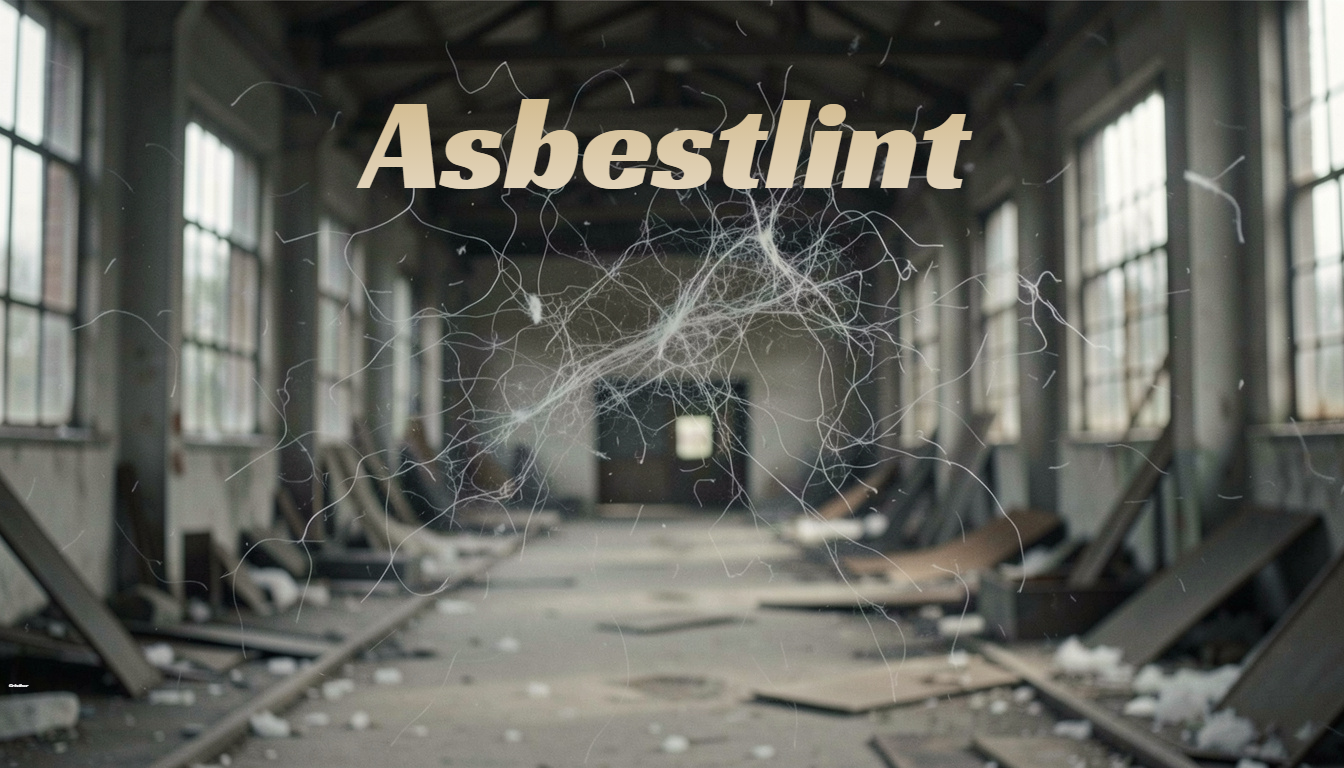
Asbestlint: Hidden Dangers of Airborne Asbestos Fibers
Asbestlint is a term used to describe fine, lint-like asbestos fibers that become airborne when asbestos-containing materials deteriorate or are disturbed. Although not a formal scientific classification, the term effectively captures the danger posed by microscopic asbestos dust that floats in the air, settles on surfaces, and poses serious health risks when inhaled.
For much of the twentieth century, asbestos was considered a “miracle mineral” because of its durability, fire resistance, and insulating capabilities. However, decades of medical research have proven that inhaling asbestos fibers can cause life-threatening diseases. Today, understanding asbestos is critical for property owners, construction professionals, environmental regulators, and public health authorities.
What Is Asbestlint?
It refers to extremely fine asbestos fibers that resemble dust or lint after being released from asbestos-containing materials (ACMs). These fibers are microscopic and lightweight, allowing them to remain suspended in the air for extended periods.
Unlike solid asbestos materials that remain relatively stable when intact, asbestlint represents a more hazardous state because it can be inhaled easily. It may accumulate in ventilation systems, settle on furniture, or disperse throughout indoor spaces after renovation, demolition, or natural deterioration of older materials.
The primary danger of asbestos lies in its invisibility. It has no odor, no taste, and cannot be reliably identified without specialized testing.
Historical Use of Asbestlint
From the early 1900s through the late twentieth century, asbestos was used extensively in:
- Building insulation
- Roofing materials
- Floor and ceiling tiles
- Cement products
- Fireproof coatings
- Automotive brake pads
- Shipbuilding materials
Its resistance to heat and corrosion made it valuable in industrial settings. However, by the mid-1900s, scientific studies began linking Asbestlint exposure to serious respiratory diseases. Many countries later imposed restrictions or bans.
Despite regulations, asbestos remains present in millions of older buildings worldwide.
Formation of Asbestlint
It forms when asbestos-containing materials degrade or are disturbed. Common causes include:
Aging and Deterioration
Over time, insulation and other materials become brittle. Cracks and wear release fibers into the air.
Renovation and Demolition
Cutting, drilling, sanding, or removing materials can release large quantities of Asbestlint fibers.
Vibration and Mechanical Damage
Industrial machinery vibrations or accidental impacts can loosen fibers.
Water Damage
Moisture weakens binding agents in Asbestlint products, increasing fiber release.
Fire or Structural Collapse
High heat and physical destruction break apart materials, dispersing fibers widely.
Once released, fibers behave like lint — floating in air currents and settling gradually.
Characteristics of Asbestlint
Understanding its physical behavior explains why it is so dangerous.
| Characteristic | Explanation |
| Microscopic Size | Asbestlint fibers are often 50–200 times thinner than a human hair. Their extremely small diameter allows them to bypass natural respiratory defenses and penetrate deep into lung tissue. |
| Lightweight and Airborne | The fibers are very light and can remain suspended in the air for long periods, particularly in enclosed or poorly ventilated spaces, increasing the risk of inhalation. |
| Durability | Asbestos fibers are highly resistant to chemical breakdown, heat, and biological degradation, allowing them to persist in both the human body and the environment for decades. |
| Invisibility | Individual fibers cannot be seen with the naked eye and require specialized laboratory microscopy for detection. |
Health Risks of Asbestlint Exposure
When inhaled, asbestos fibers can embed in lung tissue and remain there permanently. The body struggles to remove them, leading to chronic inflammation and cellular damage.
Asbestosis
A progressive lung disease caused by long-term exposure. It results in scarring (fibrosis) of lung tissue, reducing oxygen exchange and causing breathlessness.
Lung Cancer
Asbestlint exposure significantly increases lung cancer risk, especially among smokers.
Mesothelioma
A rare but aggressive cancer affecting the lining of the lungs (pleura) or abdomen (peritoneum). It is strongly associated with asbestos exposure.
Pleural Disorders
Includes pleural plaques, thickening, and fluid buildup around the lungs.
Occupational Exposure Risks
Certain professions face higher risks:
- Construction workers
- Demolition crews
- Shipyard workers
- Insulation installers
- Firefighters
- Maintenance staff in older buildings
Before modern regulations, many workers handled Asbestlint without protective equipment.
Residential Exposure
Homeowners may encounter asbestlint during:
- DIY renovations
- Removal of old tiles or insulation
- Attic or basement remodeling
- Roof replacement
Disturbing materials without proper containment can release fibers into living spaces.
Environmental Contamination of Asbestlint
Asbestlint can contaminate:
- Soil near industrial sites
- Water sources from improper disposal
- Surrounding neighborhoods near demolition zones
Wind can transport fibers beyond the original source, increasing exposure risks.
Identification and Testing
Visual Inspection Limitations
Asbestlint cannot be reliably identified through visual inspection alone because many construction materials look identical whether they contain asbestos or not. Floor tiles, insulation, cement sheets, and textured coatings may appear harmless, but only laboratory testing can confirm their composition. Relying on appearance can lead to false assumptions and unsafe handling.
Sampling Procedures
Certified asbestos inspectors collect small samples of suspected materials using controlled techniques that minimize fiber release. The area is carefully contained, and protective equipment is worn during the process. Samples are then sealed and sent to accredited laboratories for detailed examination to determine whether asbestos fibers are present.
Air Monitoring of Asbestlint
Air monitoring measures the concentration of airborne fibers in a specific area. Specialized pumps draw air through filters that trap microscopic particles. This method is commonly used during asbestos removal projects or after suspected disturbance to assess exposure levels and ensure the environment meets safety standards.
Laboratory Analysis
Laboratories use advanced techniques such as Polarized Light Microscopy (PLM) and Transmission Electron Microscopy (TEM) to identify Asbestlint fibers. PLM helps detect fiber type in bulk materials, while TEM provides highly detailed imaging capable of identifying extremely small fibers in air samples. These methods confirm both the presence and concentration of asbestos.
Regulations and Safety Standards
Governments worldwide regulate Asbestlint handling.
In the United States, standards are enforced by the Environmental Protection Agency and the Occupational Safety and Health Administration.
International health guidance has been provided by the World Health Organization.
Regulatory measures include:
- Workplace exposure limits
- Mandatory training
- Licensing of removal contractors
- Strict disposal procedures
- Public health monitoring
Many countries have banned asbestos entirely, though some still permit limited use.
Safe Management and Removal of Asbestlint
When Removal Is Necessary
Removal is recommended when materials are:
- Damaged
- Deteriorating
- Likely to be disturbed
- Located in high-traffic areas
Professional Abatement Process
- Area containment using plastic sheeting
- Negative air pressure systems
- HEPA filtration units
- Personal protective equipment (PPE)
- Wet removal techniques to reduce airborne fibers
- Secure packaging and labeling
- Transport to approved disposal sites
DIY removal is strongly discouraged.
Prevention Strategies of Asbestlint
Preventing exposure involves:
- Conducting asbestos surveys before renovation
- Maintaining intact materials
- Avoiding unnecessary disturbance
- Training workers in hazard recognition
- Using certified professionals
Education and awareness are key to prevention.
Disposal and Environmental Considerations
Asbestlint waste must be:
- Double-bagged in approved containers
- Clearly labeled
- Transported under regulated conditions
- Disposed of in licensed hazardous waste landfills
Improper disposal can contaminate ecosystems for decades.
Modern Alternatives to Asbestlint
Safer materials have replaced asbestos in many applications:
| Material | Description | Key Benefits |
| Fiberglass Insulation | Made from fine strands of glass fibers, commonly used in walls, attics, and ceilings for thermal insulation. | Non-carcinogenic, excellent thermal performance, fire-resistant, widely available, cost-effective. |
| Mineral Wool | Produced from natural rock (stone wool) or industrial slag, designed for insulation and fire protection. | High fire resistance, soundproofing properties, moisture-resistant, durable. |
| Cellulose Fiber | Manufactured from recycled paper treated with fire-retardant chemicals, used mainly for thermal insulation. | Eco-friendly, good thermal efficiency, sustainable, safe when properly installed. |
| Polyurethane Foam | A spray or rigid foam insulation that expands to fill gaps and cracks. | Excellent air sealing, high insulation value (R-value), moisture-resistant, lightweight. |
| Fire-Resistant Composite Boards | Engineered boards made from cement, fiberglass, or other synthetic materials for fireproofing and structural protection. | Strong, durable, fire-resistant, non-carcinogenic, suitable for modern construction standards. |
Case Studies and Lessons Learned
Numerous contamination incidents have highlighted the importance of regulation. Large-scale building demolitions have released Asbestlint dust into communities, leading to costly cleanups and long-term health monitoring.
Such cases demonstrate the necessity of strict compliance and oversight.
Global Perspective
Although many developed nations have banned asbestos, some developing regions still use it due to lower costs and limited regulation. This creates ongoing public health challenges.
International cooperation and awareness campaigns continue to push for global elimination.
Future Outlook of Asbestlint
The future focus areas include:
- Improved detection technologies
- Stronger global bans
- Better worker training programs
- Public awareness initiatives
- Medical research into the treatment of Asbestlint related diseases
As science advances, prevention remains the most effective strategy.
Conclusion
Asbestlint represents one of the most serious hidden hazards in older buildings and industrial environments. These microscopic fibers, once released into the air, can cause irreversible damage to human health. The long latency period of asbestos-related diseases makes early awareness and preventive action critical.
Through proper identification, strict regulation, professional removal practices, and continue education, the risks associate with asbestos can be significantly reduce. While asbestos once symbolized industrial progress, it now stands as a reminder of the importance of balancing innovation with long-term health and environmental safety.
Understanding asbestlint is not merely a technical issue—it is a public health priority that demands vigilance, responsibility, and informed decision-making for generations to come.