
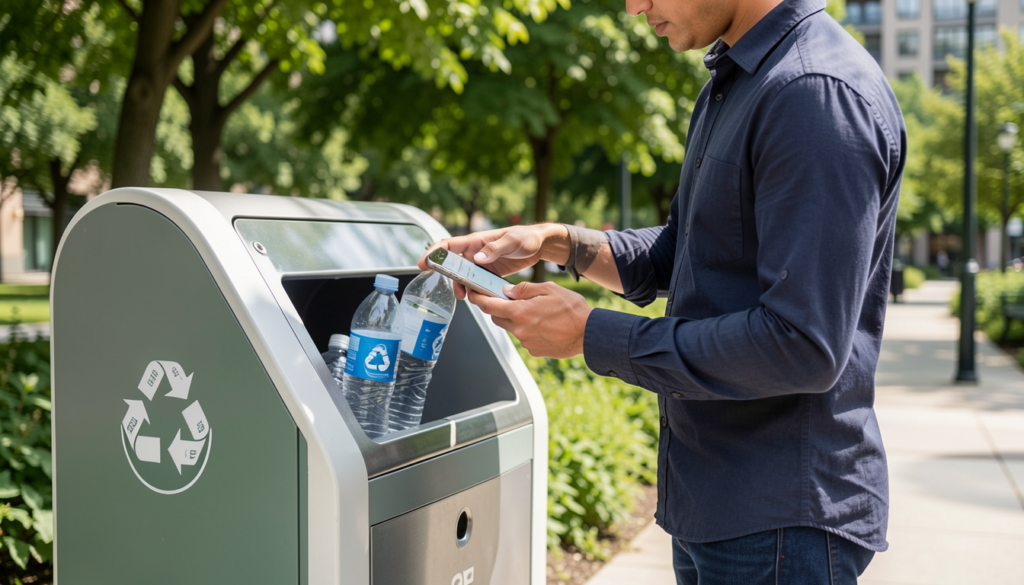

Matarecycler is a smart, technology-driven platform designed to address the escalating environmental concerns and challenges of effective waste management. In an era where the world produces billions of tons of waste annually, much of it ends up in landfills or pollutes natural habitats. Traditional recycling methods, while helpful, often struggle with inefficiencies, contamination, and a lack of user engagement. By leveraging advanced technologies such as AI, IoT, mobile apps, and data analytics,
It transforms how we perceive, manage, and interact with recycling, making the process more efficient, transparent, and impactful for individuals, communities, and businesses alike.
What is Matarecycler?
It is a modern recycling ecosystem that integrates smart technology and community engagement to optimize waste management. Unlike traditional recycling programs, Matarecycler offers an end-to-end solution that helps individuals, businesses, and municipalities improve recycling efficiency while actively promoting sustainability.
Key Features
- Smart Sorting: AI-enabled technology identifies recycling materials and provides user guidance.
- IoT Integration: Smart bins monitor waste levels and optimize collection schedules.
- Mobile App: Engages users with scanning tools, rewards, and educational content.
- Data Analytics: Tracks performance, identifies improvement areas, and supports transparency.
- Circular Economy Support: Ensures materials are reused and reintegrated into production.
Why MataRecycler is Different
Unlike standard recycling systems that rely heavily on manual sorting and lack user engagement, it combines technology, education, and incentives to encourage widespread participation. Its innovative approach addresses the common challenges of contamination, low awareness, and inefficient collection routes.
How Matarecycler Works
It employs a multi-faceted approach to recycling that combines technology and user interaction. Its workflow can be broken down into four primary components: Smart Sorting, IoT-enabled bins, Data Analytics, and Mobile App Engagement.
Smart Sorting & Material Identification
Matarecycler’s AI-powered system can automatically identify recyclable materials.
Key aspects include:
- Material Recognition: Plastics, metals, glass, paper, and electronic waste are identified accurately.
- User Guidance: The system provides step-by-step instructions for cleaning, separating, and preparing recyclables.
- Contamination Reduction: Proper sorting ensures higher quality recycled materials.
Example: A plastic bottle with residual liquid may be flagged by the app, instructing the user to rinse it before recycling.
IoT & Smart Bins like Matarecycler
Internet of Things (IoT) technology plays a crucial role in Matarecycler’s operations:
- Real-time Monitoring: Sensors detect bin fill levels and send alerts to collection services.
- Optimized Collection Routes: Trucks follow the most efficient paths, saving fuel and reducing carbon emissions.
- Maintenance Alerts: The system notifies authorities when bins need repairs or emptying.
| Feature | Benefit |
| IoT Sensors | Real-time bin status updates |
| Optimized Routes | Reduced fuel consumption |
| Alerts & Notifications | Timely collection and maintenance |
| Load Tracking | Prevents overflow and contamination |
Data Analytics & Performance Tracking
Matarecycler collects recycling data to provide insights to users and authorities:
- User Dashboards: Individuals can track their recycling contributions and progress.
- Municipal Reports: Cities can identify high- and low-performing areas.
- Transparency: Blockchain technology ensures tracking of materials from disposal to recycling.
- Policy Support: Analytics help governments design more effective waste policies.
This data-driven approach ensures that every recycled item is accounted for, encouraging accountability and better decision-making.
Mobile App & User Engagement
The mobile app is the primary touchpoint for users:
- Item Scanning: Scan products to check recyclability.
- Gamification: Users earn points or rewards for consistent recycling.
- Educational Content: Provides information on sustainability, waste reduction, and circular economy practices.
- Notifications: Remind users of recycling days or offer tips on reducing waste.
By integrating technology with engagement, Matarecycler turns recycling into an interactive and rewarding activity rather than a mundane chore.
Key Benefits of Matarecycler
The impact of it spans environmental, economic, and social domains.
Environmental Benefits
- Reduced Landfill Waste: Ensures more materials are recycled rather than discarded.
- Resource Conservation: Promotes reuse of plastics, metals, and glass.
- Lower Carbon Footprint: Optimized collection reduces fuel usage and emissions.
Economic Benefits
- Cost Savings for Cities: Efficient collection routes lower operational expenses.
- CSR Integration for Businesses: Companies can demonstrate environmental responsibility.
- Revenue Opportunities: Recycled materials can be sold or repurposed, generating income.
Social Benefits
- Community Engagement: Encourages citizens to actively participate in recycling.
- Education: Increases awareness of sustainable practices.
- Incentives: Rewards motivate behavioral change in households and businesses.
Target Users and Applications of Matarecycler
It caters to a variety of stakeholders:
Individuals & Households
For individuals and households, it provides a simple and convenient way to participate in sustainable recycling practices. With features like smart item scanning, step-by-step sorting guidance, and mobile app notifications, homeowners can easily ensure that plastics, glass, paper, and electronics are disposed of correctly. By using it, families not only reduce waste in landfills but also actively contribute to a greener environment.
Communities & Municipalities of Matarecycler
Communities and municipalities benefit greatly from implementing it as part of their waste management programs. Smart bins equipped with IoT sensors allow cities to monitor fill levels, optimize collection routes, and reduce operational costs. Additionally, Matarecycler’s data analytics provides valuable insights into recycling patterns across neighborhoods, enabling targeted awareness campaigns and policy planning.
By integrating it into urban infrastructure, municipalities can improve efficiency, increase recycling rates, and promote community-wide sustainability initiatives.
Businesses & Industries
For businesses and industries, it offers a technology-driven solution to manage corporate waste more efficiently. Companies can use smart bins, mobile apps, and analytics dashboards to track recyclable materials, monitor performance, and identify opportunities to reduce waste. It also supports Corporate Social Responsibility (CSR) initiatives by allowing businesses to demonstrate their commitment to environmental sustainability.
Challenges and Considerations
Despite its benefits, Matarecycler faces certain challenges:
- Initial Setup Costs: Installing smart bins, IoT sensors, and AI systems can be expensive.
- User Adoption: Success relies on widespread engagement and proper usage.
- Data Privacy: Handling user and business data securely is essential.
- Integration: Coordination with existing waste management infrastructure can be complex.
Case Study Example: Smart City Integration
| City | Implementation | Outcome |
| Singapore | 500 smart bins in residential zones | 30% increase in recyclable material collection |
| Berlin | IoT-enabled collection trucks | 20% reduction in fuel consumption and operational cost |
| Tokyo | App-based citizen engagement | Increased recycling participation by 40% |
These examples highlight Matarecycler’s potential to transform urban recycling systems and deliver measurable results.
The Future of Matarecycler
It is poise for global expansion, offering exciting possibilities for the future of sustainable recycling. One major advancement is integrate AI technology, which allows for improved material recognition, making it easier to sort even complex recyclables accurately. Alongside this, an expanded IoT network will enable more cities and municipalities to adopt smart bins, optimizing waste collection and reducing environmental impact. Partnerships with governments, NGOs, and corporations will further enhance recycling programs, creating coordinated efforts to promote sustainability on a larger scale.
Ultimately, Matarecycler aims to support the circular economy by turning waste into reusable resources, ensuring that materials are not just discard but reintegrated into production and consumption cycles worldwide.
Conclusion
It represents a paradigm shift in recycling and waste management. By integrating cutting-edge technology with community engagement, it addresses inefficiencies in traditional systems and promotes sustainable behavior. Its combination of AI, IoT, mobile apps, and analytics ensures higher recycling rates, reduced environmental impact, and economic savings.
As cities and businesses face growing pressure to adopt sustainable practices, Matarecycler offers a practical, scalable solution. It not only transforms how we recycle but also educates, motivates, and empowers communities to participate in creating a greener, cleaner future.
Adopting it means turning waste into value, embracing a circular economy, and making every recycled item count toward a healthier planet.